

When you see a dog wag its tail in excitement after hearing the sound of its leash, you might wonder: Does it remember the walks and the treats that await?
Or when a crow returns to the same spot, picking through a pile of nuts, is it recalling where it left its stash?
These moments make us question: What do animals actually remember, and how do they do it?
The science of memory isn't just a human pursuit. Animals have fascinating ways of remembering, and their abilities may not be as different from ours as you might think. But what exactly do animals remember, and how do they use memory in their daily lives? Let's explore the science of animal memory and uncover some surprising facts.
<h3>Different Types of Memory in Animals</h3>
Humans typically think of memory as a mental filing system that stores everything from birthdays to past experiences. But animals? Their memories are shaped by survival needs. The types of memory that animals use are similar to the ones humans rely on, but they can differ in structure and function.
<b>Short-Term Memory:</b> Some animals, like humans, have short-term memory systems that help them remember immediate things. This could be a lion remembering the location of its last meal or a bee recalling the best flower patch. Short-term memory helps animals react quickly to changes in their environment.
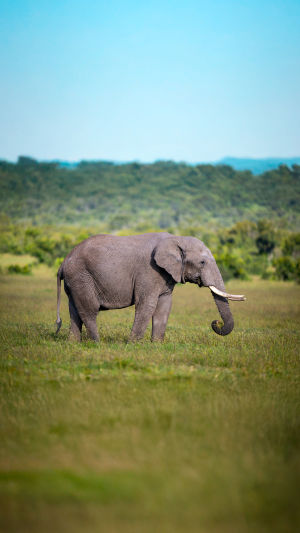
<b>Long-Term Memory:</b> Just like your brain remembers long-lasting events (like your childhood home), many animals have long-term memory that helps them retain important experiences. Elephants, for example, have a legendary ability to remember water holes and migratory paths over long distances and many years. Similarly, rats can remember maze routes for months after initially learning them.
<b>Spatial Memory:</b> This type of memory is particularly fascinating in animals like birds and rodents. Birds such as the Clark's nutcracker can hide thousands of seeds and remember exactly where each one is stored. Similarly, squirrels use spatial memory to locate their hidden stashes of food. This type of memory is crucial for survival during harsh winters or food shortages.
<h3>Animal Memory at Play: Survival and Socialization</h3>
Memory isn't just for remembering what happened yesterday—it's essential for survival. But animal memory goes beyond the basic need for food and shelter.
<b>Predators and Prey:</b> Memory plays a huge role in the lives of predators and prey. A predator, like a cheetah, needs to remember the patterns of its prey to make successful hunts. At the same time, prey animals, like gazelles, need to remember safe places to hide or identify predators' hunting patterns. This constant cycle of learning and remembering can be a matter of life and death.
<b>Social Learning:</b> Many animals, especially primates, birds, and dolphins, use memory to learn from each other. A chimpanzee will remember how its group mates behave and use that information to strengthen bonds or avoid conflicts.
Dolphins are known to use memory to communicate with other dolphins, sharing important information such as locations or social connections. Memory, in this case, is not only an individual trait but a communal one as well.
<h3>Can Animals Remember Faces?</h3>
It's no surprise that some animals have developed impressive visual recognition abilities, particularly species that live in social groups. Dogs, for example, can recognize the faces of their owners and may even remember individual humans they've encountered. But it goes beyond domestic animals—cows have been shown to recognize other cows and even humans they've had past interactions with.
For many animals, remembering faces can be key to understanding social structures. In species like wolves, recognizing pack members or rivals can influence their behavior and interactions. For animals living in social groups, such as elephants, memory helps them maintain relationships and strengthen family bonds.
<h3>The Limits of Animal Memory</h3>
Despite the wonders of animal memory, it's important to recognize that animal memory isn't perfect. While some species, like elephants, have remarkable recall abilities, others have limits. For instance, many animals lack the ability to recall personal experiences in the way humans do. Their memory is often tied to instinctive survival needs and less about emotional or personal recollections.
For instance, birds like pigeons have been shown to possess some memory of their environment, but their memories might not extend beyond immediate needs like food or shelter. So, while a pigeon may recognize a favorite feeding spot, it won't likely recall its first meal years later.
<h3>Can Animals Remember Future Events?</h3>
One of the most intriguing aspects of animal memory is the ability to not only remember past events but also anticipate future ones. Known as episodic memory, this is the kind of memory that allows humans to recall specific events, places, and experiences. Some animals, like chimpanzees and certain birds, seem to have a level of episodic memory, allowing them to plan for the future.
For example, some birds will hide food, knowing they'll need it later, and remember where they stashed it. Similarly, elephants will remember water holes and migration routes, which are essential for survival during seasonal changes.
<h3>Why Memory Matters for Animals</h3>
Memory isn't just a passive skill—it shapes how animals interact with their world. It's essential for:
<b>Navigating the Environment:</b> Many animals rely on their memory to move through their environment. For instance, migratory birds need to remember specific landmarks to guide their long journeys. Similarly, sea turtles return to the same beach where they were born to lay their eggs, relying on environmental memory cues.
<b>Problem-Solving:</b> Animals like dolphins, crows, and primates use memory for problem-solving. They can remember how they've solved puzzles before and apply that knowledge to new situations. This type of cognitive ability allows them to adapt to challenges.
<b>Communication and Social Bonds:</b> Social animals use memory to remember relationships and interactions with others. Wolves remember the strength and behavior of pack members, and dolphins communicate with specific individuals using their unique whistles.
<h3>A Final Thought</h3>
As we explore the science of animal memory, we realize how deeply interconnected memory is with survival, social interaction, and learning. While we might not fully understand the extent of animal memory, we can certainly appreciate its importance in their everyday lives. Animals don't just live in the moment—they rely on the past to shape their future, much like us.
The next time your pet looks at you with recognition or a bird flaps by with a familiar pattern, consider what memories they might be holding on to—and how it impacts their world.


