

Hey Lykkers! So, let’s say we’re hanging out in a parking lot, and you suddenly ask, “Why are so many people obsessed with black cars? Or why do I always go for white?”
Well, that question isn’t as random as it sounds. The color of your car says more than you think. It reflects your personality, lifestyle, and even how you want others to see you. Some choices are about expression, others are about convenience—and some are totally subconscious.
Let’s hit the road and explore why car color actually matters more than most people realize.
<h3>Color and Personality: What Your Car Might Say About You</h3>
When you choose a car color, it’s not just a visual decision—it’s often a reflection of your identity. Think about it. You live in your car, commute in it, take road trips, and sometimes even name it. So naturally, you want it to feel like you.
Here’s a quick breakdown of common car colors and the vibes they tend to give off:
<b>Black:</b> Sophisticated, powerful, and a little mysterious. People who choose black often like to keep things elegant and bold.
<b>White:</b> Clean, modern, and simple. White lovers tend to be organized and appreciate a crisp, minimalistic look.
<b>Silver:</b> Efficient and forward-thinking. Silver is sleek without being flashy—great for those who like a polished image.
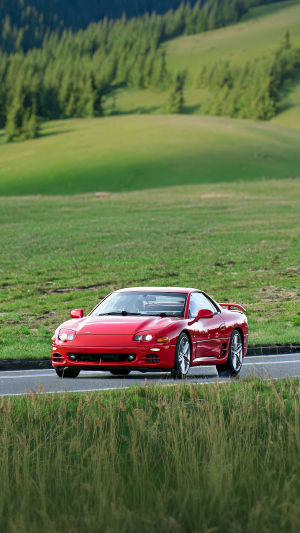
<b>Red:</b> Bold, passionate, and energetic. If you like to make a statement and don’t mind attention, red might be your go-to.
<b>Blue:</b> Calm, trustworthy, and cool. Blue gives off a dependable, professional vibe—steady and relaxed.
<b>Gray:</b> Practical, mature, and no-nonsense. A gray car signals someone who values function and subtle style.
<b>Green:</b> Unique and grounded. Green isn’t as common, but it often attracts people who like to stand out while staying connected to nature.
<b>Yellow/Orange:</b> Cheerful, creative, and youthful. These drivers are often seen as optimistic and full of personality.
Of course, not everyone fits neatly into these boxes—but these general trends pop up consistently in research and surveys.
<h3>Culture and Location: How Environment Shapes Color Choice</h3>
Where you live can heavily influence which car colors are more popular.
In hotter climates, lighter shades like white, silver, and beige are more common because they reflect sunlight and keep the car cooler. In colder or cloudier areas, darker colors like black or navy may be more appealing.
Cultural preferences also come into play. For example, in many Western countries, black and gray are seen as professional and serious, while in some parts of Asia, white is a symbol of cleanliness and prestige. Car manufacturers often adjust their color offerings depending on local tastes.
<h3>Maintenance and Practicality: Keeping That Car Looking Sharp</h3>
Let’s be honest: Some car colors are just easier to live with than others.
<b>- White, silver, and gray</b> tend to hide dust, scratches, and water spots well. They're low maintenance and age gracefully.
<b>- Black</b>, while beautiful when clean, shows dirt, fingerprints, and swirl marks more than any other color.
<b>- Red, blue, and other vibrant colors</b> tend to fade faster if constantly exposed to sunlight unless you take extra care with waxing and polishing.
If you don’t want to spend your weekends washing and detailing your car, choosing the right color from the start can save you time and effort down the road.
<h3>Safety and Visibility: Yes, Color Can Affect Safety</h3>
Believe it or not, some studies have shown that car color can influence safety, particularly in terms of visibility.
Lighter or higher-contrast colors can stand out more in certain conditions. Dark-colored cars, such as black or dark gray, may be harder to see in low light and have been associated in some studies with higher crash risk. But color is only one small factor among many (lighting, weather, speed, driver behavior, road design, etc.).
<h3>Resale Value: Color Can Affect Your Wallet</h3>
When it comes time to sell or trade in your car, color can play a role in how easy it is to move off the lot.
Neutral tones like white, black, silver, and gray generally hold their value best because they appeal to the widest audience. Unique colors, like lime green or bright orange, might take longer to sell and may not get the best offers—unless you're selling to someone with the exact same taste.
So if you’re thinking long-term, color could impact your car’s resale value.
<h3>Final Thoughts: It’s More Than Just Paint</h3>
Car color might seem like a minor decision, but it’s tied to psychology, culture, maintenance, safety, and even money. Whether you pick a color that reflects who you are, or one that fits your lifestyle, the choice is always a little more personal than it seems.
So next time you’re car shopping—or just admiring cars in traffic—take a second to think about what those colors might be saying.
After all, your car isn’t just how you get around. It’s part of your story.


