

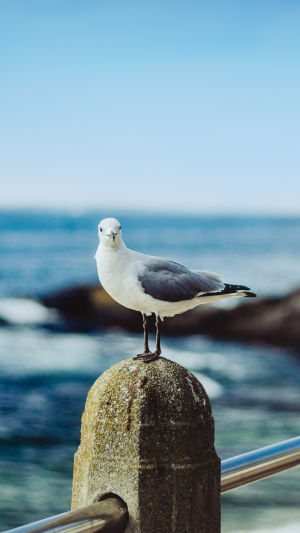
Imagine we're relaxing on the beach with a snack, and suddenly a seagull swoops down trying to grab it! This kind of encounter happens more often than we think in coastal areas.
Seagulls are clever birds with sharp eyesight, and they quickly spot any food we are holding.
While this moment may feel surprising or even a little stressful, it is usually harmless. Seagulls are simply searching for an easy meal.
Because they often live near beaches, parks, and harbors, they have learned that humans sometimes carry food. The good news is that with a few simple habits, we can protect our snacks and avoid unwanted attention from these birds.
<h3>Stay Calm and Keep the Food Close</h3>
The first thing we should do if a gull approaches is stay calm. Sudden movements, waving hands wildly, or shouting can make the situation more chaotic. Instead, we can calmly bring our food closer to our body and cover it with our hands or a bag.
Holding food lower rather than high in the air also helps. Seagulls usually look for food that is easy to grab quickly. If our snack is well protected, the bird often loses interest and flies away to search elsewhere.
Keeping our belongings organized is also helpful. Open bags, uncovered containers, or loose snacks on the ground can easily attract attention.
<h3>Choose the Right Place to Eat</h3>
Location matters more than we might think. When we sit directly on a busy beach where many birds gather, the chances of a gull approaching become much higher. Seagulls often watch areas where people frequently eat.
If possible, we can move slightly away from large bird groups before starting our meal. Picnic tables with shade structures, benches near trees, or quieter corners of a park can reduce the chances of birds noticing our food right away.
Eating indoors, in vehicles, or in covered picnic shelters is also an easy way to avoid the problem completely.
<h3>Do Not Feed the Seagulls</h3>
One important rule many people forget is simple: never feed seagulls intentionally. When birds receive food from people, they quickly learn to approach more visitors in the future. Over time, this behavior becomes stronger and more frequent.
When we avoid feeding them, we help encourage natural feeding habits. Seagulls are excellent hunters and can easily find fish, shellfish, and other natural foods in their environment.
By not offering snacks, we help keep both people and birds safer and reduce aggressive behavior around popular tourist areas.
<h3>Use Simple Protection Tricks</h3>
There are also small tricks that can make a big difference. For example, we can keep snacks inside containers or lunch boxes when not actively eating. Wrapping food in paper or keeping it inside a backpack makes it less visible.
Another useful tip is to eat smaller portions at a time instead of holding a large piece of food in the open. Seagulls are attracted to visible targets, so reducing exposure lowers the risk of a quick grab.
If we are traveling with friends, sitting closer together can also help. Groups of people tend to discourage birds from approaching too boldly.
<h3>Teach Children the Right Habits</h3>
Children often enjoy watching birds, especially near the ocean. However, they may not always understand that offering food can create problems later. When traveling with younger family members, it helps to explain why we should keep snacks to ourselves.
We can encourage kids to observe seagulls from a distance instead. Watching their flying skills, listening to their calls, and noticing their behavior can be just as fun as interacting with them directly.
This approach turns the experience into a learning moment while also keeping everyone comfortable during a beach visit.
<h3>Understanding Seagull Behavior</h3>
It also helps to remember that seagulls are naturally curious and opportunistic. Their strong wings allow them to glide easily while scanning the ground for potential meals. When they see people holding food, they may simply try their luck.
In many coastal towns, gulls have learned that human areas sometimes provide easy food opportunities. This behavior is not meant to be harmful; it is simply part of their survival strategy.
By understanding this, we can respond in a calm and practical way rather than feeling frustrated.
<h3>Enjoy the Beach Without Worry</h3>
Lykkers, beaches and coastal parks are wonderful places to relax, enjoy the ocean breeze, and share meals with friends. Seagulls are also part of that lively seaside environment.
With a little awareness, we can easily prevent birds from taking our snacks. Keeping food covered, choosing a smart place to eat, and avoiding feeding wildlife all make a big difference.
The next time we hear a seagull calling overhead while enjoying a beach picnic, we can simply smile, protect our food, and continue enjoying the beautiful coastal atmosphere together.


