

Have you ever wondered why some animals have strikingly unique patterns or colors, while others can adapt to extreme environments with ease?
The answer lies in their genetic makeup. Animal genetics is the study of heredity—how traits are passed from one generation to the next, shaping everything from physical appearance to survival strategies.
It's a fascinating field that not only helps us understand the natural world but also informs important conservation, breeding, and health practices. Let's take a closer look at how genetics works in the animal kingdom.
<h3>1. What Are Genes and How Do They Work?</h3>
Genes are like blueprints for life. They carry the instructions needed to build and maintain an organism. In animals, genes determine a wide range of traits, from coat color to immune system strength. These genetic instructions are passed down from parents to offspring through DNA, the molecule that contains genetic information.
Each animal has two copies of each gene, one from each parent. The combination of genes determines the animal's traits. In some cases, a single gene can have a significant impact on the animal's appearance or behavior, while in others, multiple genes work together in complex ways.
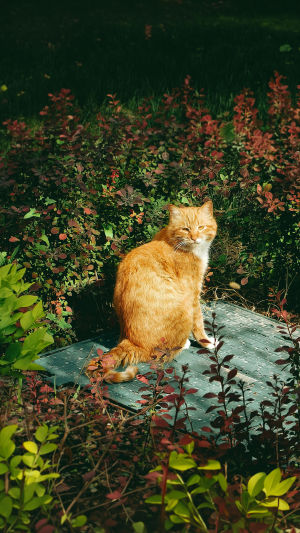
<b>Example:</b> The color of a cat's fur is determined by specific genes. A cat with two copies of a "brown" gene will have brown fur, while a cat with one "brown" gene and one "black" gene will have black fur due to a dominant gene for black.
<h3>2. Genetic Variation and Adaptation</h3>
Genetic variation refers to the differences in genes among individuals of the same species. These variations occur naturally, and they are crucial for the survival of a species. When environmental conditions change, animals with genetic traits that better suit the new environment are more likely to survive and reproduce, passing those traits on to the next generation.
<b>Example:</b> The famous peppered moth in England illustrates genetic variation and adaptation. Before the Industrial Revolution, most moths were light-colored, blending in with lichen-covered tree trunks. When industrial pollution darkened the trees with soot, darker moths had better camouflage from predators and became more common through natural selection.
<h3>3. Dominant and Recessive Genes</h3>
One of the key concepts in animal genetics is the idea of dominant and recessive genes. Dominant genes are the ones that "show up" in an animal's appearance or behavior, even if only one copy is present. Recessive genes, on the other hand, only express themselves when two copies are present, one from each parent.
Understanding this is crucial for predicting inheritance patterns and traits in offspring. For instance, if a parent has a dominant gene for a trait like long fur and the other has a recessive gene for short fur, the offspring will most likely inherit the long fur trait.
<b>Example:</b> In dogs, the gene for coat color can be dominant or recessive. A dog with one dominant "black" gene and one recessive "brown" gene will have black fur. However, two brown-coated dogs (with two recessive brown genes) will only produce brown-coated puppies.
<h3>4. The Role of Mutations in Evolution</h3>
Mutations are random changes in an animal's DNA. While many mutations are neutral or harmful, some can give the animal an advantage in its environment. Over time, these beneficial mutations can spread throughout the population, contributing to the evolution of the species.
Mutations can occur due to environmental factors like radiation or chemicals, but they can also happen during DNA replication when cells divide. While mutations are rare, they are the driving force behind natural selection, helping species adapt to changing conditions.
<b>Example:</b> Rock pocket mice in the southwestern United States developed a mutation that produced darker fur. On dark volcanic rocks, this coloration helped them hide from predators, allowing the mutation to spread through the population over generations.
<h3>5. Using Genetics in Conservation Efforts</h3>
Animal genetics plays an essential role in conservation. By studying the genetic diversity of endangered species, scientists can determine the health of a population and whether it has enough genetic variation to survive in the long term. Inbreeding, or the mating of closely related animals, can reduce genetic diversity and increase the risk of inherited diseases.
Genetic studies also help conservationists identify critical habitats and understand the breeding patterns of animals, leading to better management strategies. For instance, genetic information can help decide which individuals to breed in captivity to maximize genetic diversity.
<b>Example:</b> The genetic study of cheetahs has revealed that the species suffers from low genetic diversity, which makes them more susceptible to disease. Conservation efforts now focus on ensuring that captive cheetahs are bred in a way that minimizes inbreeding and maintains genetic variation.
<h3>6. Ethical Considerations in Animal Genetics</h3>
While genetics offers incredible potential for improving animal health and preserving endangered species, it also raises ethical questions. The ability to manipulate genes—through genetic modification or cloning—has sparked debates about animal welfare, biodiversity, and the long-term effects on ecosystems. For example, should we use genetic engineering to create animals that are more resistant to disease, or does this interfere with natural evolution?
<b>Example:</b> In efforts to save the endangered northern white rhino, scientists have considered using cloning and genetic modification to bring the species back. While this approach offers hope, it also comes with concerns about the ethical implications and potential unforeseen consequences for the species and its ecosystem.
<h3>The Future of Animal Genetics</h3>
Animal genetics is a rapidly advancing field that holds promise for everything from improving veterinary care to saving endangered species. By understanding how genes shape behavior, health, and survival, we can make informed decisions about conservation and animal welfare. However, as we move forward, it's essential to balance scientific progress with ethical considerations to ensure that our interventions benefit animals and the ecosystems they inhabit. The potential for genetic science in animal conservation is immense, but it requires careful thought and responsibility.


