

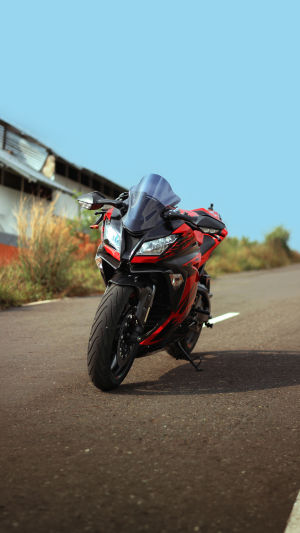
Getting on a motorcycle for the first time is a mix of excitement and nerves.
The right bike can turn those early jitters into confidence, while the wrong one can make every ride a struggle.
Beginners need bikes that are manageable, reliable, and forgiving, but there's also room for style and fun. Knowing which brands consistently deliver these qualities can make your first choice much easier.
<h3>1. User-Friendly Handling</h3>
Starting on a bike that's easy to handle can drastically reduce learning stress. Beginner-friendly motorcycles usually have moderate engine sizes—often between 250cc and 500cc—and balanced weight.
<b>Honda</b> is known for smooth, predictable handling. Models like the Honda CB300R provide light steering and a comfortable riding position, which helps new riders focus on road awareness rather than managing a heavy or twitchy machine.
<b>Yamaha</b> also excels with approachable designs. Their MT-03 combines a responsive engine with a narrow chassis, making tight turns and city commuting simpler.
Actionable example: Test ride a small-displacement model at a local dealership. Pay attention to how easily you can stop, start, and maneuver at low speeds. This is a practical way to confirm if the handling suits your comfort level.
<h3>2. Engine and Power Management</h3>
The engine plays a huge role in building confidence. Bikes that deliver smooth, controllable power reduce the risk of sudden jerks or unintended acceleration.
<b>KTM</b> offers beginner models like the 390 Duke, which balance enough power to enjoy open roads while keeping acceleration predictable. Their engine mapping ensures that even a twist of the throttle doesn't surprise the rider.
<b>Suzuki</b> also shines with beginner bikes like the GSX250R. Its engine delivers linear power, so riders can focus on technique rather than wrestling with explosive torque.
Actionable example: Start with gentle throttle exercises in a safe, open area. Practice gradual acceleration and braking to feel how power delivery affects balance. This builds muscle memory for smooth riding.
<h3>3. Comfort and Ergonomics</h3>
A bike that fits your body size prevents fatigue and improves confidence. Seat height, handlebar reach, and footpeg position all matter, especially for longer rides or daily commuting.
<b>Kawasaki</b> models like the Ninja 400 are compact but offer an upright seating position, giving new riders better control. Adjustable handlebars or footpegs on certain models can further tailor comfort.
<b>Royal Enfield</b> offers bikes such as the Meteor 350, which combine a low seat with a relaxed riding posture. This reduces tension in shoulders and back, allowing longer learning sessions without discomfort.
Actionable example: Sit on multiple bikes at a dealership and place your feet flat on the ground. If you can comfortably reach the controls without stretching or bending awkwardly, it's a good fit.
<h3>4. Safety Features</h3>
Modern beginner bikes often include safety systems like ABS brakes or traction control. These features can prevent accidents during sudden stops or slippery conditions.
<b>KTM</b> 390 Duke features ABS and advanced braking components, which can help riders maintain control during emergency braking.
<b>Honda</b> CB300R and Yamaha MT-03 also incorporate basic ABS, reducing the likelihood of wheel lock-up on unexpected stops.
Actionable example: Practice emergency braking in an empty parking lot. This lets you feel how ABS intervenes, building trust in the system and improving reaction confidence on real roads.
<h3>5. Affordability and Maintenance</h3>
For a beginner, choosing a bike that's affordable and easy to maintain is smart. Avoid complicated machines that require expensive servicing or specialized parts.
<b>Honda</b> and <b>Yamaha</b> bikes are well-known for reliability and wide service networks. Parts are easy to find, and repairs are usually straightforward.
Actionable example: Ask local mechanics or online forums about common maintenance tasks for the models you're considering. Knowing oil change intervals, chain adjustments, or brake maintenance can help prevent surprises and keep costs manageable.
Starting on a motorcycle should feel empowering, not intimidating. By focusing on approachable brands, manageable engines, comfortable ergonomics, safety systems, and low-maintenance models, beginners can build confidence quickly. Spending time to test ride, feel the handling, and check comfort ensures that your first bike doesn't just get you on the road—it keeps you excited to ride every day. Choosing the right brand and model today sets the foundation for years of safe and enjoyable motorcycling.


