

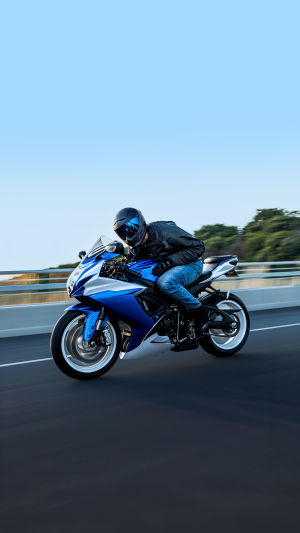
Riding through city streets can feel like a game of split-second decisions. You see riders weaving through traffic, signaling late, or stopping abruptly at intersections.
Some glide smoothly, staying alert and predictable, while others seem to invite trouble.
Understanding common urban riding habits—and knowing which ones improve safety—can make city commuting less stressful and far safer.
<h3>Awareness and Anticipation</h3>
Urban riding demands constant attention. Predicting other drivers' moves is key to avoiding accidents.
<b>1. Scanning traffic:</b> Experienced riders keep their eyes moving, checking mirrors, side streets, and intersections. A rider approaching a busy intersection scans left, right, and the center of the lane to anticipate sudden turns or vehicles entering the crosswalk.
<b>2. Reading body language:</b> Drivers often give subtle signals, like leaning toward a turn lane or slowing unexpectedly. Recognizing these signs early allows riders to adjust speed or change lanes safely.
<b>3. Maintaining distance:</b> Keeping a safe buffer behind vehicles provides time to react. For example, leaving at least two seconds behind a car in stop-and-go traffic allows for emergency braking without abrupt swerves.
Constant awareness reduces surprises and gives riders the upper hand when navigating unpredictable urban streets.
<h3>Defensive Riding Practices</h3>
Riders who adopt defensive strategies significantly lower their risk of collisions.
<b>1. Lane positioning:</b> Occupying the portion of the lane that maximizes visibility while maintaining escape routes is crucial. Riding slightly left in a lane gives drivers space to see you, while allowing room to maneuver if needed.
<b>2. Anticipating hazards:</b> Potholes, open car doors, and jaywalking pedestrians are common in cities. Experienced riders scan the road surface ahead and adjust speed to avoid sudden obstacles.
<b>3. Predictable signaling:</b> Using clear hand or electronic signals communicates intentions to drivers. A rider signaling a right turn early reduces the chance of vehicles cutting in unexpectedly.
Defensive habits give urban riders the ability to react calmly rather than panic when surprises occur.
<h3>Gear Choices for City Riding</h3>
The right clothing and protective equipment enhance visibility, mobility, and comfort in dense traffic.
<b>1. Lightweight jackets and pants:</b> Textile gear with stretch panels allows quick movements and flexibility in tight spaces. A commuter weaving through cars benefits from a jacket that bends naturally at the elbows without shifting padding.
<b>2. Visibility features:</b> Neon fabrics and reflective panels increase noticeability at intersections and crosswalks. For example, a rider riding after dusk can attach reflective strips to a backpack to improve rear visibility.
<b>3. Gloves and boots:</b> Proper gloves ensure quick braking and clutch control, while boots with ankle protection help prevent injuries during sudden stops. Lightweight yet protective materials allow easy operation without fatigue.
Gear isn't just about protection—it enhances situational awareness and the ability to respond to urban hazards.
<h3>Adapting to Traffic Patterns</h3>
City streets are constantly changing. Experienced riders adapt to traffic flow, weather, and peak commuting hours.
<b>1. Timing rides:</b> Avoiding peak congestion can reduce stress and potential collisions. For instance, leaving 15 minutes earlier may allow a rider to bypass the most chaotic intersections.
<b>2. Adjusting speed:</b> Slow, steady speeds allow riders to react to sudden stops or pedestrians, while maintaining momentum reduces risk of being caught off-guard.
<b>3. Using alternate routes:</b> Familiarity with multiple routes helps riders avoid construction, accidents, or heavy traffic. Mapping side streets or lanes with less congestion can make a ride safer and smoother.
Flexibility and adaptation allow riders to handle unexpected conditions without compromising safety.
<h3>Building a Safety Mindset</h3>
Urban riders who combine awareness, defensive riding, proper gear, and route planning develop a strong safety mindset.
<b>1. Continuous learning:</b> Observing other riders, taking advanced riding courses, or reviewing traffic rules sharpens skills. A rider noticing near misses can adjust habits to prevent future incidents.
<b>2. Self-discipline:</b> Avoiding distractions like phone usage, music at high volume, or risky maneuvers helps maintain focus. Even experienced riders benefit from consciously controlling impulses.
<b>3. Routine gear checks:</b> Inspecting brakes, tires, lights, and reflective panels ensures equipment functions optimally. A rider checking tire pressure before daily commutes avoids sudden loss of control.
Developing a proactive safety mindset transforms urban riding from a risky endeavor into a controlled, manageable activity. Awareness, preparation, and consistent habits ensure every city ride is safer, smoother, and far more predictable.


