

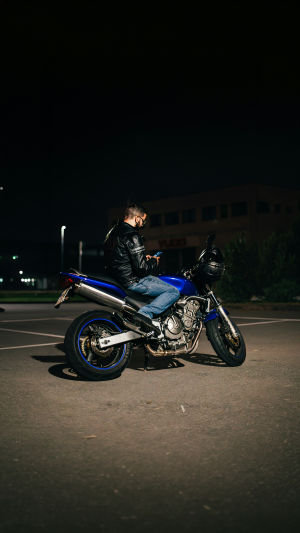
Riding at night can feel peaceful, but it also comes with hidden dangers. On dark streets, even experienced drivers might not notice a motorcyclist until it's too late.
The difference between being visible and invisible often comes down to your gear. Motorcycle clothing with built-in visibility features can keep you safer without compromising your style.
<h3>Understanding Visibility in Motorcycle Gear</h3>
Visibility isn't just about wearing bright colors; it's about how your gear interacts with light. Reflective panels, high-contrast fabrics, and strategic placement make you noticeable from a distance.
<b>1. Reflective strips:</b> Many jackets and pants include reflective strips along the arms, back, and legs. These strips reflect light from headlights back to drivers, making your movements visible in low-light conditions. For example, a commuter riding home at 9 p.m. benefits from reflective panels on the shoulders and lower back, which are more likely to catch approaching headlights.
<b>2. Neon or high-contrast fabrics:</b> Bright colors like fluorescent yellow or orange stand out against dark backgrounds. Pairing neon panels with reflective strips ensures visibility both during the day and at night.
<b>3. Helmet visibility:</b> Helmets often have reflective stickers or panels. A helmet with a reflective top or sides can signal your position to vehicles from all angles, especially at intersections.
Proper visibility gear reduces the risk of accidents by increasing the time drivers have to notice and react to you.
<h3>Strategic Placement of Reflective Elements</h3>
Where reflective panels are placed matters just as much as having them. Panels that move with your body are more noticeable than static strips.
<b>1. Arms and shoulders:</b> Motion draws the eye. Strips along the arms or shoulders make gestures like signaling turns more obvious. A rider turning left benefits from reflective sleeve panels, making the movement clear to other drivers.
<b>2. Back and torso:</b> Rear visibility is critical at night. Jackets with wide reflective panels across the upper and lower back increase your chances of being seen from a distance.
<b>3. Legs and feet:</b> Reflective material on pants, boots, or ankle straps highlights movement, showing your position relative to the road. Pedal movements in particular attract attention, helping drivers judge your speed.
Strategically placed reflective elements ensure that every motion signals your presence to others.
<h3>Layering Visibility for Maximum Safety</h3>
Combining multiple visibility features enhances your safety. Layering bright fabrics, reflective strips, and lights increases your odds of being noticed.
<b>1. Jackets over vests:</b> Wearing a reflective vest over a brightly colored jacket adds extra visibility. Even if the jacket's brightness fades under dim streetlights, the vest ensures you remain noticeable.
<b>2. Accessories:</b> Gloves, helmets, and backpacks can all carry reflective accents. A rider commuting on a city street can attach reflective tape to their backpack, boosting visibility from behind.
<b>3. Motion-focused reflectivity:</b> Panels that shift or catch light as you move draw more attention than static areas. Adjustable sleeve panels or moving reflective strips on a jacket help drivers perceive your motion and direction.
Layering visual cues keeps you in the attention of other road users at all times.
<h3>Practical Tips for Night Riding</h3>
Visibility works best when paired with good riding habits. Even the best gear can't replace awareness and planning.
<b>1. Keep lights clean:</b> Headlights, brake lights, and turn signals should be bright and unobstructed. A dirty lens can reduce visibility and the effectiveness of your reflective gear.
<b>2. Positioning on the road:</b> Stay in the lane where drivers can see you clearly, avoiding blind spots. Night riding often benefits from riding slightly to the left or right of the lane center for maximum exposure.
<b>3. Regular gear inspection:</b> Check reflective panels and neon fabrics for wear. Faded or damaged areas reduce effectiveness. A reflective panel that's cracked or peeling should be replaced to maintain visibility.
Visibility gear is most effective when combined with alert riding and thoughtful positioning.
<h3>Testing and Adapting Your Gear</h3>
Before relying on your gear, test it under real conditions.
<b>1. Night ride trials:</b> Take a short ride with another rider or driver observing you. Ask if they notice your gear from a distance.
<b>2. Adjust reflective placement:</b> If certain angles or movements are less visible, add strips or swap gear with better placement.
<b>3. Combine with lights:</b> Add small LED strips or clip-on lights to helmets or jackets for extra visibility during poorly lit rides.
Being visible at night isn't just about style—it's about survival. Gear designed with reflection, color, and motion in mind gives drivers the time they need to see you and react safely. Investing in visibility features and testing them on actual rides ensures that each night ride is not only enjoyable but significantly safer.


