

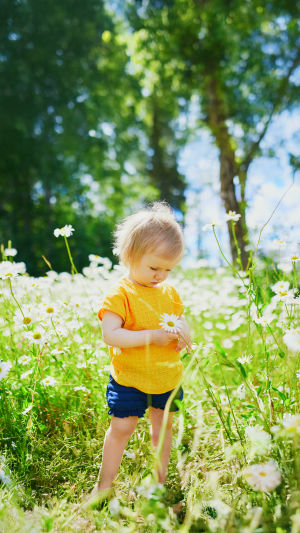
Imagine a sunlit meadow filled with simple flowers that seem to reflect light back at the sky — that is the enduring charm of the daisy.
Daisies are among the most recognizable flowers in the world, with their classic white petals surrounding a sunny yellow centre.
These blooms have become symbols of happiness, purity, and fresh beginnings, finding their way into art, gardens, and folklore across cultures.
This article explores interesting facts about daisies that go beyond their cheerful appearance — from their diverse species to cultural symbolism and ecological importance.
<h3>Nature's Design: What Makes a Daisy Unique</h3>
At first glance, a daisy looks like a simple flower, but its structure is more fascinating than it appears. A daisy is not one single bloom — what seems like petals are actually individual ray florets, and the central yellow area is composed of numerous tiny disc florets. Together they form a composite flower head, a characteristic trait of the plant family to which daisies belong.
There are several common types of daisies, including the oxeye daisy and the English daisy, both popular in gardens and wild meadows. Some cultivated forms, such as the Shasta daisy, can have larger flower heads compared to wild varieties.
<h3>Fun Facts That Surprise Even Garden Lovers</h3>
<b>1. Origin and Distribution</b>
Daisies originally evolved in temperate regions of Europe and Asia, but have now spread across many parts of the world thanks to their adaptability and hardiness in various climates.
<b>2. Name from the Morning</b>
The name “daisy” comes from an Old English phrase meaning “day's eye.” This reflects the flower's habit of opening in the morning and closing at night as light changes.
<b>3. Blooming Season</b>
Depending on the species and climate, many daisy varieties bloom from early spring through late summer or even into early autumn. With favorable conditions, some types can continue blooming in mild climates year round.
<b>4. Role in Nature</b>
Daisies attract pollinators like bees and butterflies with their bright appearance and accessible nectar. Their long bloom season helps support local ecosystems by providing food sources for these insects.
<b>5. Symbolism and Meaning</b>
Across cultures, daisies commonly symbolize purity, innocence, cheerfulness, and new beginnings. They are often chosen for spring celebrations and optimistic floral displays.
<h3>Garden Insight: Growing and Care Tips</h3>
Daisies are popular in gardens because they are relatively easy to cultivate and maintain. They typically prefer well drained soil and full sun, but can also tolerate partial shade. Their hardiness allows them to grow in lawns, borders, rock gardens, and even along roadsides.
When preparing a garden bed, it's helpful to space plants according to their growth habits so they receive adequate sunlight and airflow. Many gardeners also deadhead spent blooms — removing old flowers — to encourage more flowering and extend the display period.
<h3>Beyond Beauty: Daisies in Culture and Lore</h3>
Daisies have appeared in stories, art, and traditions around the world. Their association with simplicity and joy has made them symbols of childhood playfulness and renewal. In some traditions, daisies are linked to ideas of loyalty and true love, used in games and poetry that celebrate connection or affection.
For example, simple petal plucking games like “he loves me, he loves me not” were inspired by the daisy's distinctive form. The story behind the name and seasonal behavior — opening with daylight — has also contributed to cultural metaphors about awakening, hope, and optimism.
<h3>Why Daisies Matter</h3>
While they seem modest, daisies play meaningful roles in both human culture and natural ecosystems. Their resilience, long blooming periods, and ease of growth serve as reminders of nature's adaptability. For gardeners and nature lovers alike, daisies represent more than decoration — they are symbols of continuity, resilience, and the simple joy found in everyday beauty.
<h3>Reflecting on the Daisy's Charm</h3>
At the end of a spring walk through a meadow dotted with daisies, you might realize these blossoms teach us something deeper: beauty does not need to be complex to be meaningful, and small, persistent joys can color even ordinary days. In a world that prizes spectacle, the daisy quietly flourishes with grace, inviting us to pause, notice, and appreciate life's simple wonders.


