

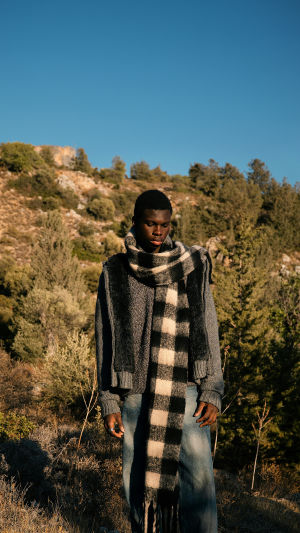
A scarf is more than just a winter accessory — it's a combination of style, warmth, and personality.
The right scarf can elevate a simple outfit, provide practical protection against cold, and reflect your individual taste.
Understanding material, length, and pattern choices ensures your scarf is both functional and fashionable.
<h3>Popular Scarf Fabrics</h3>
The material of a scarf determines its warmth, drape, and comfort. Here are common options:
<b>1. Wool</b> – Offers excellent insulation, perfect for cold weather. It holds shape well and comes in various textures.
<b>2. Cashmere</b> – Soft, luxurious, and lightweight. Ideal for a premium feel while keeping you warm.
<b>3. Cotton</b> – Breathable and versatile. Suitable for mild temperatures and casual looks.
<b>4. Linen</b> – Lightweight and airy. Works best in spring or fall for layering without overheating.
<b>5. Synthetic Blends (Polyester, Acrylic)</b> – Affordable, durable, and easy to maintain. Good for travel or everyday use.
Choosing the right fabric balances comfort and seasonal functionality.
<h3>Length and Width Considerations</h3>
The size of a scarf influences both style and practicality:
<b>1. Standard Length (60–70 inches)</b> – Wrap once or twice; suitable for casual or formal jackets.
<b>2. Long Scarves (80+ inches)</b> – Allow multiple wraps for extra warmth; ideal for colder climates.
<b>3. Width</b> – Narrow scarves create a sleek, modern look; wider scarves offer cozier coverage.
Proper dimensions help achieve a balanced appearance and ensure the scarf complements your outfit without overwhelming it.
<h3>Pattern and Color Tips</h3>
The scarf's visual impact is crucial for style:
<b>1. Solids</b> – Safe and versatile, perfect for matching with jackets, coats, or suits.
<b>2. Stripes and Checks</b> – Add visual interest; best paired with simpler clothing to avoid clashing.
<b>3. Bold Patterns</b> – Statement pieces that can elevate a neutral outfit; use sparingly to maintain balance.
<b>4. Color Coordination</b> – Complement or contrast with your outerwear. Neutral shades are timeless, while richer tones add personality.
<h3>Practical Styling and Wearing Tips</h3>
<b>1. The Classic Loop</b> – Fold the scarf in half, wrap around the neck, and pull the ends through. Works with most fabrics and lengths.
<b>2. The Overhand Drape</b> – Simply drape around your neck with ends hanging down; casual yet polished.
<b>3. The European Knot</b> – Wrap snugly for warmth and a sharp, structured look.
<b>4. Layering</b> – Pair scarves with jackets, coats, or blazers; ensure the texture and weight complement your outerwear.
<b>5. Care and Maintenance</b> – Check fabric care labels. Wool and cashmere may require hand washing or dry cleaning, while cotton and synthetic blends are usually machine-washable.
Choosing the right scarf is a combination of style awareness, practical comfort, and personal expression. With proper attention to material, size, and pairing, a scarf transforms from a simple accessory into a functional fashion statement that enhances your outfit and keeps you comfortable throughout the day.


