

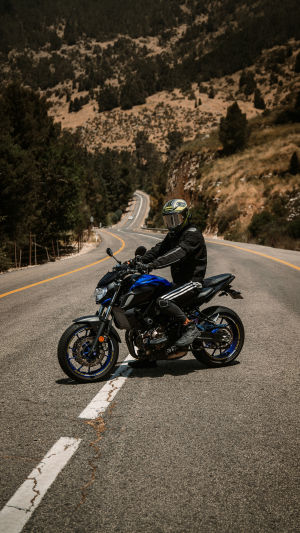
You're cruising down the road, wind in your face, when a car silently creeps up in your blind spot.
That split-second surprise can be dangerous. Motorcycle smart blind spot detection systems are here to catch what your eyes can't, giving you extra awareness and peace of mind while riding.
<h3>How These Systems Work</h3>
Unlike cars, motorcycles have less space to mount sensors, so engineers had to innovate. Most smart blind spot systems use a combination of radar, ultrasonic sensors, and cameras. These devices constantly scan the sides and rear of your bike. When another vehicle enters a danger zone, the system alerts you instantly.
<b>Common alert methods include:</b>
- Handlebar vibrations that you can feel without looking.
- LED indicators on mirrors or the dashboard.
- Audible tones or chimes for added attention.
For example, a rider commuting in heavy traffic might feel a gentle pulse in the left handlebar when a car drifts into that blind spot, prompting them to adjust their position safely before changing lanes.
<h3>Installation and Compatibility</h3>
Smart blind spot systems can be integrated into new motorcycles or added as aftermarket kits. Installation is usually straightforward but varies by model. Most modern kits include mounting brackets for sensors, wiring harnesses, and display modules.
<b>Installation tips:</b>
- Ensure sensors are aligned parallel to the road for accurate detection.
- Keep wiring away from hot engine parts to avoid damage.
- Test the system in a low-traffic area before heading out.
An example is installing a radar-based kit on a sportbike: mounting sensors under the fairing and connecting them to the handlebar indicator module. After calibration, it reliably warns of vehicles approaching from behind.
<h3>Enhancing Safety While Riding</h3>
Blind spot systems are not a replacement for active scanning with your eyes but act as a second layer of protection. Riders using these systems report feeling more confident when lane splitting or riding in stop-and-go traffic.
<b>Practical tips for riders:</b>
- Combine alerts with mirror checks to confirm the threat.
- Keep a safe distance even when no alerts are present.
- Adjust riding position slightly toward the lane center for more buffer space.
A commuter using blind spot alerts on a morning ride noticed a car merging without signaling. Thanks to the alert and a quick lane adjustment, they avoided a close call.
<h3>Limitations to Keep in Mind</h3>
No system is perfect. Weather conditions like heavy rain, fog, or dirt on sensors can reduce accuracy. Metallic objects like guardrails or signposts may trigger false alerts.
<b>How to handle these challenges:</b>
- Regularly clean sensors to maintain sensitivity.
- Check calibration periodically, especially after hitting potholes or minor crashes.
- Don't rely solely on the system—always ride defensively.
For instance, a rider reported a false alert when passing closely by a metal guardrail, reminding them to treat the sensor as a guide rather than an absolute decision-maker.
<h3>The Future of Motorcycle Safety</h3>
Manufacturers are working on smarter, AI-driven detection that can predict movement patterns of nearby vehicles, bicycles, and pedestrians. Integration with adaptive cruise control, collision mitigation systems, and connected vehicle networks could make blind spot alerts even more intuitive.
<b>Emerging features include:</b>
- Predictive warnings that detect movement patterns, rather than claiming to predict sudden lane changes before they happen.
- Integration with helmet HUDs to display alerts directly in your line of sight.
- Wireless updates to improve sensor algorithms over time.
Imagine riding on a highway and seeing a small icon in your helmet HUD showing a fast-approaching vehicle in your left lane. You adjust, and the system updates dynamically if the car slows or speeds up.
Smart blind spot detection turns motorcycles into more aware machines, helping riders feel confident and secure. By combining technology with good riding habits, you reduce surprises on the road and make each ride smoother. Next time you take your bike out, consider how a simple sensor could be the extra set of eyes you didn't know you needed.


