

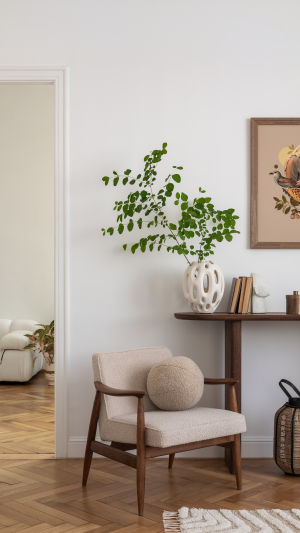
Bringing large indoor plants into your living room can instantly elevate the space, adding vibrancy, texture, and life to your home.
But the placement of these plants is not as simple as putting them anywhere—there's a method to achieving the perfect "green movement" in your home. Large plants like the Bird of Paradise and Areca Palm have a dramatic presence, and when placed strategically in your living room, they can enhance the overall atmosphere of the room.
The key to incorporating these plants into your space lies in thoughtful selection—paying attention to both the height of the plant and the material of the planter. Let's dive into how you can maximize the impact of your plants while maintaining a harmonious balance with the rest of your home décor.
<h3>1. Choosing the Right Spot for Large Plants</h3>
The first thing to consider when placing a large plant like a Bird of Paradise or Areca Palm is where to put it. These plants can grow quite tall and need ample space to thrive. The corner of your living room is a great place to start. However, don't just settle for any corner; make sure the spot aligns with the overall flow of the room.
<b>What to keep in mind:</b>
- Avoid blocking traffic flow: Make sure the plant doesn't impede movement or create obstacles in high-traffic areas.
- Consider lighting: These plants love bright, indirect light, so place them near windows with sufficient light but not directly in harsh sunlight, which can scorch their leaves.
- Add vertical interest: Large plants work well when they help to draw the eye upward, adding height and dimension to the room.
You can also place the plants in the farthest corners of the room, which helps fill out empty spaces and creates a sense of balance, drawing the eye toward the plant as an architectural feature.
<h3>2. Matching the Planter Material with Your Home Style</h3>
While the plant itself is crucial, the planter plays an equally important role in completing the overall aesthetic. The material of your planter should complement your interior design style and coordinate with the rest of the décor in the room.
<b>How to choose the right planter material:</b>
- Wooden planters: If your home has a natural, rustic, or Scandinavian feel, opt for planters made from natural materials like wood or rattan. These materials will add warmth and texture, helping the plant to blend in seamlessly with your surroundings.
- Concrete or stone planters: For a more modern, industrial, or minimalist look, concrete or stone planters can create a sleek, sophisticated contrast against the green of your plants.
- Ceramic or terracotta planters: These are classic and versatile choices that fit well in traditional, Mediterranean, or eclectic spaces. You can also experiment with colors and patterns for added visual interest.
In all cases, be sure to match the tone and texture of the planters with the other materials in the room. For instance, if you have a lot of sleek, contemporary furniture, choose planters with clean lines and simple finishes to complement the space.
<h3>3. Creating a Height Difference: Adding Depth and Dimension</h3>
One common mistake people make when placing large plants in their living room is not varying the height of their plants. To achieve the perfect "green movement" effect, it's important to create a sense of depth and dimension by arranging plants at different heights. This not only adds visual interest but also avoids the "flat" feeling that comes with placing everything at the same level.
<b>How to achieve height variation:</b>
- Use plant stands or tables: Elevate smaller plants using plant stands or tables. This will create a tiered effect and add to the dynamic visual appeal.
- Place large plants at varying heights: Don't just place large plants directly on the floor. Occasionally elevate them using sturdy stands or low platforms to create a sense of hierarchy.
- Layering with smaller plants: Combine your large plants with smaller ones to create a layered effect. For example, you could place smaller plants on a coffee table or side table next to the larger ones, adding to the depth of the space.
The aim is to avoid a stagnant, monotonous look. By varying the heights of your plants, you create a lively and engaging atmosphere in the room.
<h3>4. Benefits of Strategic Plant Placement</h3>
When you get the placement and planter material right, the rewards are significant. Here's why investing time and thought into where you place your large plants is worth it:
<b>Key benefits:</b>
- Improved air quality: Plants like Areca Palm can help slightly improve indoor air quality, though they should not replace proper ventilation or air filtration systems.
- Visual interest: Large plants can break up the monotony of bare walls and furniture, adding layers and texture that make the room feel more alive.
- Increased relaxation: Greenery is known to have a calming effect, and the right placement can enhance the overall mood of your living room. Whether you're reading, socializing, or just unwinding, plants create a peaceful, natural ambiance.
When placed strategically, plants can enhance the overall flow of the room, creating a sense of harmony and connection between the natural elements and your interior design.
<h3>Let Nature Thrive in Your Space</h3>
Incorporating large plants into your living room can create a fresh, dynamic, and serene atmosphere that enhances the beauty of your space. By carefully selecting the right spot, matching planters to your home's style, and creating height variation, you can maximize the impact of these plants.
The real magic lies in how you make the plants fit into the environment, rather than just adding them for the purpose of it. When done thoughtfully, greenery can turn any space into a peaceful oasis.


